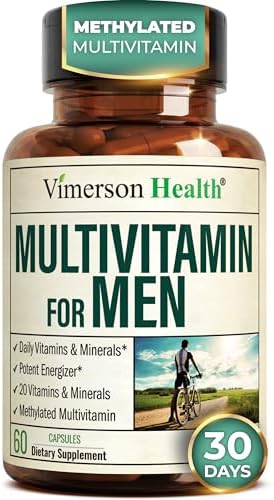
- Complete Daily Multivitamin for Men – A premium methylated multivitamin with bioavailable forms of core vitamins, chelat…
- Optimised for Absorption – Features advanced forms like 5-MTHF folate, methylcobalamin Vitamin B12, natural Vitamin A, V…
- Energy, Mood and Focus – High-strength Methylated B-Complex with Vitamin B12 support natural energy, stress balance and …
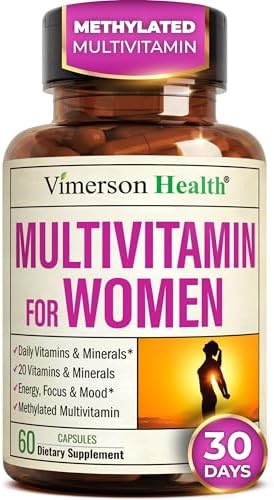
- Complete Daily Multivitamin for Women – A premium methylated multivitamin with bioavailable forms of core vitamins, chel…
- Optimised for Absorption – Features advanced forms like 5-MTHF folate, methylcobalamin Vitamin B12, natural Vitamin A, V…
- Energy, Mood and Focus – High-strength Methylated B-Complex with Vitamin B12 support natural energy, stress balance and …

- OLLY KID’S MULTIVITAMIN & PROBIOTIC GUMMY: With key vitamins and minerals (plus a serving of probiotics) to help little …
- THE GOODS INSIDE: This kids vitamin delivers a blend of Vitamins A, C, D, E, Bs and Zinc plus a serving probiotics (the …
- HOW TO TAKE: Kiddos 2-3 years, chew one kids multivitamin gummy with probiotics daily. 4 years and up, chew two gummies …
Understanding Vitamins and Their Importance
Vitamins are organic compounds that play crucial roles in various biochemical processes within the human body. They are essential nutrients necessary for maintaining overall health, growth, and development. There are 13 recognized vitamins, each serving unique functions, and they are categorized into two primary groups: water-soluble and fat-soluble vitamins. Water-soluble vitamins, which include vitamins B and C, dissolve in water and are readily excreted from the body. This means that they require regular replenishment through diet. On the other hand, fat-soluble vitamins—such as A, D, E, and K—are stored in the body’s fatty tissues and liver, making their balance particularly important to avoid potential toxicity.
The role of vitamins in the body is multifaceted. They contribute to energy production, immune function, blood clotting, and other vital processes. For instance, vitamin C is well-known for its role in boosting the immune system and aiding in collagen production, while vitamin D is crucial for calcium absorption and bone health. Each vitamin interacts with various metabolic pathways, emphasizing the importance of a well-rounded intake. Deficiencies in specific vitamins can lead to a range of health issues, including scurvy from a lack of vitamin C, rickets due to inadequate vitamin D, and anemia from insufficient vitamin B12.
Incorporating a balanced diet rich in essential nutrients is imperative for preventing vitamin deficiencies. Foods such as fruits, vegetables, lean proteins, whole grains, and dairy products are excellent sources of these vital compounds. Ensuring a diverse diet can help individuals meet their nutritional needs while promoting optimal health and well-being. The significance of vitamins cannot be overstated, as they support numerous bodily functions and help in maintaining a healthy lifestyle.
The Best Vitamins for Optimal Health
Maintaining optimal health is closely linked to ensuring adequate intake of essential vitamins. Each vitamin plays a unique and vital role in bodily functions, and understanding these can significantly enhance well-being. This section highlights the most important vitamins and their contributions to overall health.
Vitamin A is crucial for maintaining healthy vision, supporting immune function, and promoting cellular growth. Rich sources of vitamin A include carrots, sweet potatoes, and spinach. The recommended daily intake for adults is 700-900 micrograms (mcg), depending on gender.
B-complex vitamins, which include B1 (thiamine), B2 (riboflavin), B3 (niacin), B5 (pantothenic acid), B6 (pyridoxine), B7 (biotin), B9 (folate), and B12 (cobalamin), are essential for converting food into energy, aiding in cognitive function, and supporting metabolic processes. Foods such as whole grains, legumes, eggs, and dairy products are excellent sources of B vitamins. Adult requirements can vary widely but generally range from 1.2 to 2.4 mcg for B12.
Vitamin C is a powerful antioxidant that fosters immune health, aids in collagen formation, and enhances iron absorption. Citrus fruits, strawberries, and bell peppers are rich in vitamin C. The recommended daily intake is about 75-90 mg for adults.
Vitamin D, often referred to as the “sunshine vitamin,” helps maintain healthy bones and teeth, regulates calcium and phosphorus, and supports immune function. While sunlight exposure aids in production, dietary sources include fatty fish, fortified foods, and egg yolks. Adults should aim for 600-800 IU daily.
Vitamin E, an antioxidant, protects cells from oxidative damage, while vitamin K plays a critical role in blood clotting and bone health. Nuts, seeds, green leafy vegetables, and fermented foods are good sources for both. Recommended intakes are about 15 mg for vitamin E and 90-120 mcg for vitamin K.
In conclusion, a balanced intake of these vitamins is essential for optimal health, functioning synergistically to support various bodily processes, immune resilience, and effective disease prevention.
How to Incorporate Essential Vitamins into Your Diet
Incorporating essential vitamins into your daily diet is crucial for maintaining optimal health and ensuring your body’s proper functioning. A varied diet rich in fruits, vegetables, whole grains, lean proteins, and healthy fats can provide a wealth of vitamins necessary for well-being. To effectively integrate these nutrients, consider meal planning as a fundamental strategy. Taking time each week to plan meals allows you to select ingredients that are rich in essential vitamins, minimizing the risk of unbalanced nutrition.
When preparing meals, strive for a rainbow of fruits and vegetables on your plate. Each color represents different vitamins and minerals that play unique roles in your health. For example, leafy greens like spinach and kale are excellent sources of Vitamin K and folate, while orange fruits and vegetables, such as carrots and sweet potatoes, are high in Vitamin A. Incorporating a variety of these foods not only enhances the nutritional value of your diet but also adds flavor and visual appeal to your meals.
In addition to whole foods, consider healthy recipes that highlight these essential vitamins. Smoothies can serve as a quick and convenient option; blend together fresh fruits, leafy greens, and some yogurt to create a vitamin-packed beverage. Furthermore, aim to establish a routine that includes two to three servings of cooked or raw vegetables each day, ensuring that you meet the recommended intake. If you find it challenging to obtain enough vitamins through diet alone, high-quality supplements might be a suitable fallback. It is important to choose reputable brands, preferably those verified by third-party testing, to guarantee the potency and quality of the supplements.
By intentionally incorporating these practices into your daily routine, you can empower yourself to take charge of your nutrition and enhance your overall health.
Potential Risks of Excess Vitamin Intake
While vitamins are essential to maintaining overall health and well-being, excessive intake can lead to a variety of negative health effects. This is particularly pertinent when it comes to fat-soluble vitamins, such as vitamins A, D, E, and K, which can accumulate in the body’s tissues and cause toxicity. For instance, an overdose of vitamin A can result in symptoms ranging from nausea and dizziness to severe liver damage. Similarly, an excess of vitamin D may lead to hypercalcemia, characterized by elevated calcium levels that can cause kidney stones and cardiovascular issues.
Water-soluble vitamins, including vitamin C and B-vitamins, are generally considered safer due to their low potential for toxicity; however, extremely high doses can still result in adverse effects. For instance, an excessive intake of vitamin C can cause gastrointestinal distress, including diarrhea and stomach cramps. Furthermore, high doses of vitamin B6 over prolonged periods may lead to nerve damage, indicating that moderation remains key in vitamin consumption.
It is essential to emphasize obtaining vitamins through a balanced diet rich in whole foods. While dietary supplements can serve as beneficial adjuncts for certain individuals, they should not replace nutrient-dense meals. Adopting a whole-food approach not only minimizes the risk of vitamin toxicity but also promotes the intake of other important nutrients that work synergistically to support health. Consulting with healthcare professionals can provide personalized guidance on vitamin requirements and the appropriate use of supplements.
Conclusion
To summarize, understanding the potential risks associated with excessive vitamin intake is crucial for maintaining optimal health. The principle of moderation, coupled with a focus on obtaining vitamins through natural food sources, can significantly reduce the likelihood of adverse effects. Emphasizing a balanced diet rich in diverse nutrients aligns with the goal of promoting overall well-being. We encourage readers to seek personalized health advice from healthcare professionals to ensure safe and effective management of vitamin intake.

- Clinically Tested Clean Nutra Sea Moss Gummy All In One Mineral Supplement: Seamoss gummies formulated with key nutrient…
- Irish Sea Moss Gummies Vitamins For Adults And Kids: Our easy-to-chew gummies are great for the whole family. Sea moss g…
- Sea Moss Multimineral Supplement: Irish sea moss features iodine, potassium, calcium, magnesium, vitamin C, vitamin E, a…

- Sambucus Elderberry Extract with Zinc and Vitamin C – Viva Naturals Elderberry supplement for adults combines the streng…
- Power of Zinc and Ginger – Along with black elderberry extract, Ginger also helps in providing antioxidant-like support …
- Your Daily Intake of Vitamin C and D3 – Your new go-to elderberry and zinc supplement is packed with 400 mg of Vitamin C…

- The Best All-In-1 Immune Support Supplement On The Market – You no longer need to take 8 separate products to support yo…
- Highest Dose Of Vitamin C & Vitamin D3 – With over 1000mg of Vitamin C Liposomal and 5000IU of Vitimin D you are getting…
- Packaged with All 3 Types of Zinc Vitamins & Quercetin – When formulating this product, we pulled out all the stops and …